
Management and Governance
1 May 2026 2026-09-20 17:52Management and Governance
Management and Governance
Discover how Caspian School is led, how decisions are scrutinised and how our governance framework supports academic standards, responsible management and the student interest.
Clear responsibilities, informed challenge and academic leadership
The School is managed through defined roles and responsibilities, with oversight provided by the Board of Governance. The Chief Executive Officer leads the institution and holds overall responsibility for financial stewardship, resources and institutional data governance, including compliance and reporting.
The Principal reports to the Chief Executive Officer and the Board and provides academic leadership, including oversight of academic provision. Independent, executive, staff and student participation helps the governance structure draw on a broad range of knowledge and experience.
Committee terms of reference set out how responsibilities are delegated, considered and reported. Published policies and meeting minutes support transparency for students, staff and external stakeholders.

A clear route for oversight and assurance
The Board is supported by committees with defined responsibilities. The structure below follows the School's published committee chart.
Committee structure approved on 14 September 2026. On a small screen, swipe or scroll horizontally to view the complete chart.
What the Board oversees
The Board approves the School's strategy and scrutinises management, governance and resources, informed by relevant higher education governance and regulatory expectations.
Strategy and direction
Approves institutional strategy, monitors progress and considers the long-term interests of the School and its students.
Academic standards
Receives assurance about academic quality, teaching, learning, assessment and student outcomes.
Finance and resources
Oversees financial plans, budgets, audited accounts, assets and the effective use of institutional resources.
Risk and assurance
Reviews significant institutional risks and receives assurance about controls, audit and regulatory compliance.
Student and staff voice
Considers student feedback, staff perspectives and evidence about the experience and performance of different student groups.
Leadership accountability
Provides constructive challenge and holds executive leadership accountable for decisions, actions and institutional performance.
Principles that underpin governance
The governance framework reflects responsibilities to students, staff, regulators and the wider public.
Academic freedom
Supporting academic staff to question received wisdom and communicate ideas without improper detriment.
View policy record →Accountability
Ensuring that management and staff are answerable for decisions and subject to appropriate scrutiny.
View policy record →Student engagement
Recognising that effective support and a responsive learning environment contribute to wellbeing and success.
View policy record →Risk management
Identifying, assessing and monitoring risks that could affect the institution and its performance.
View policy record →Value for money
Providing transparent, effective arrangements that consider value for students and taxpayers.
View policy record →Freedom of speech
Setting out the School's approach to freedom of speech, academic freedom and collegiality.
View policy record →Equality, diversity and respect
Promoting inclusion and rejecting discrimination, harassment and victimisation.
View policy record →Ethics and values
Embedding integrity, responsible conduct and consistent expectations across institutional activity.
View the statement →Governance documents in one place
Access the principal governance framework, committee terms of reference, meeting records and supporting policies.
The people supporting oversight and direction
The Board and senior leaders bring experience across higher education, finance, governance, quality, risk, human resources and student representation.
 Chair
ChairMr. Wilayat Malik
Finance and governance leader specialising in strategic leadership, financial management, audit, risk management, regulatory compliance and organisational governance.
Mr. Muhammad Iftikhar
Higher education leader specialising in strategic leadership, governance, finance, regulatory compliance, quality assurance and institutional development.
 Principal
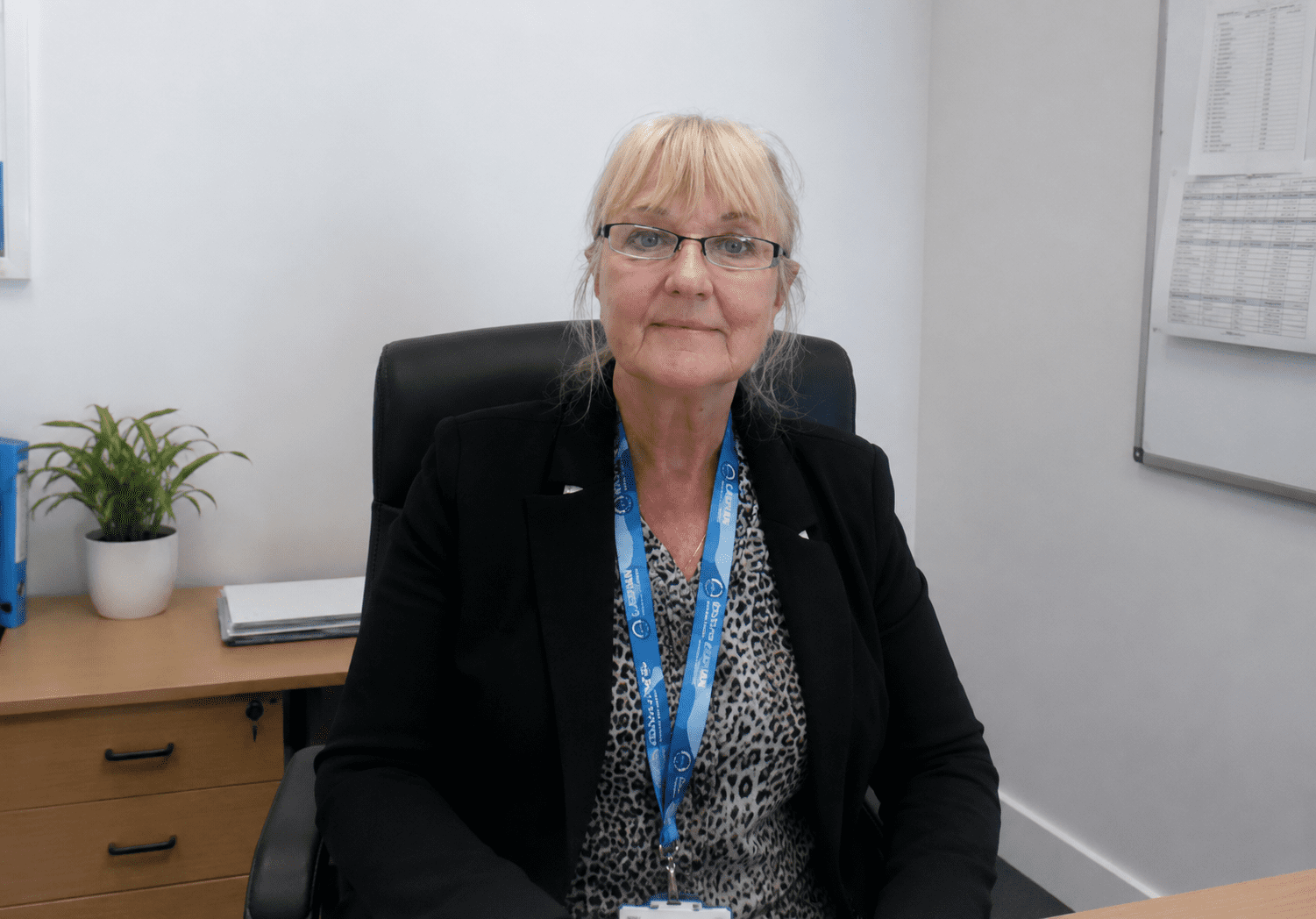
Ms. Mandy Hobart
Education leader with 35 years' experience in higher education, quality assurance, academic leadership, curriculum development and institutional management.
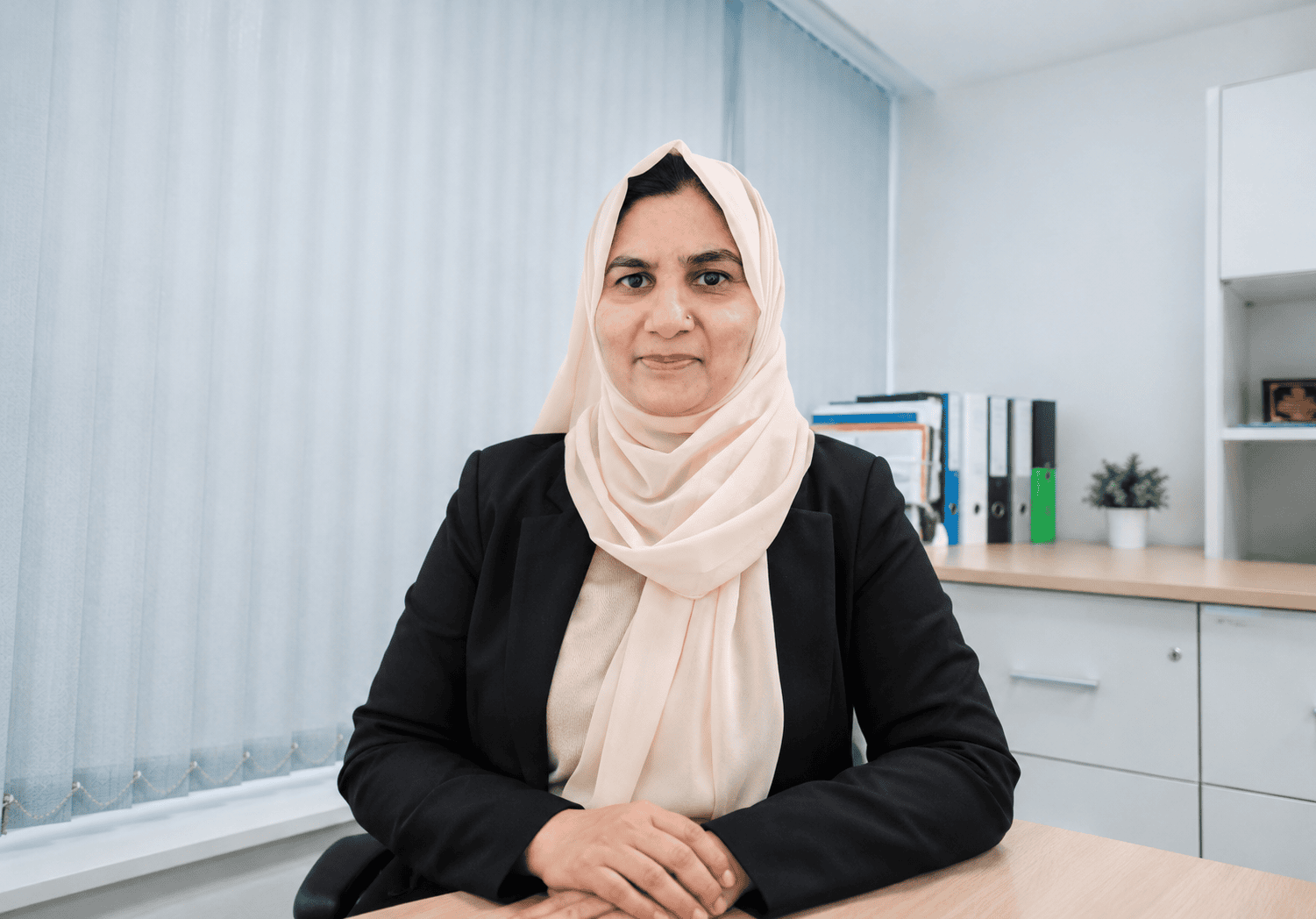
Ms. Tahira Yasmin
Human resources and higher education leader specialising in strategic HR, workforce planning, organisational development, governance and staff development.
 Head of Teaching and Learning
Dr. Anjum Naz
Academic leader with expertise in teaching, curriculum design, quality assurance, staff development, inclusive education and higher education governance.
 Student Governor
Ms. Ana-Maria Valeanu
Committed to representing student voices and promoting inclusion, fairness, open communication and positive institutional development.
 External Member
Dr. Phil Ingamells
Experienced healthcare and higher education leader specialising in academic operations, management, governance, leadership development and institutional excellence.
 External Member
Ms. Andrea Ward
Higher education executive with expertise in governance, strategy, institutional transformation, quality assurance and organisational leadership.
 External Member
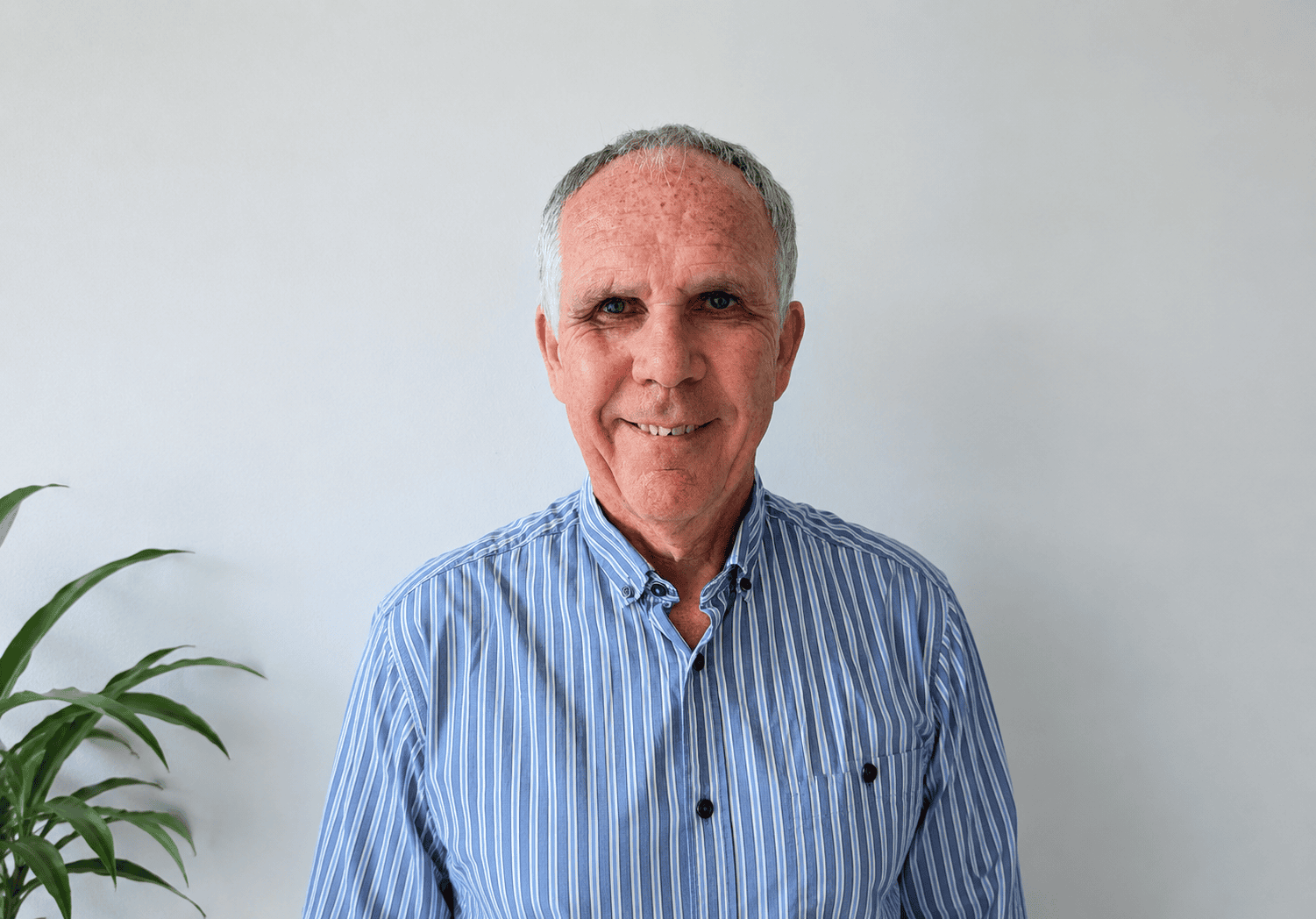
Mr. Bob Harris
Electronic engineer and higher education specialist with 35 years in teaching, international recruitment, academic partnerships and accreditation.
 External Member
Ms. Fozia Uddin
Governance, risk and compliance professional with expertise in higher education regulation, strategic partnerships, assurance and organisational sustainability.
Wilayat Malik FCCA, ACMA is an experienced finance and governance professional with extensive expertise in strategic leadership, financial management, audit, risk management and regulatory compliance.
As Chair of the Board of Governance, he provides independent leadership and oversight, ensuring that governance arrangements are effective, transparent and aligned with the principles of the Higher Education Code of Governance, including accountability, sustainability, integrity, inclusivity and effective decision-making.
He works closely with the Board and executive team to promote strong governance, robust internal controls and continuous improvement while supporting the organisation in achieving its strategic objectives and regulatory responsibilities.
Mr. Muhammad Iftikhar, BSc, FCMA, PGCHE, MBA is the Chief Executive Officer of Caspian School of Academics. He is an experienced higher education leader and qualified management accountant with extensive expertise in strategic leadership, governance, finance, regulatory compliance and institutional development.
He has played a key role in the growth of Caspian School of Academics, leading its successful registration with the Office for Students, the development of university and awarding-organisation partnerships, and the implementation of quality assurance and continuous-improvement initiatives across the institution.
Mandy has over 35 years of experience in the education sector, having worked for further and higher education colleges and universities. She qualified in occupational psychology and worked for Science 4 and three large international companies before joining a large further education college as a Programme Manager for Health and Social Care in 1991.
Having worked on a variety of education projects, including the Technical and Vocational Education Initiative, Mandy joined the Qualifications and Curriculum Authority as Principal Officer for Higher Levels for three years. She then became a Head of Faculty for Business, Science and Community Studies. In 2009, she became Director of Lifelong Learning at Kingston University.
Mandy has worked for a number of private higher education providers as Academic Director, Principal and consultant Director of Quality. She joined Caspian School in 2023 as Principal. She is a reviewer for the Quality Assurance Agency and a Lead Inspector for the British Accreditation Council.
Tahira Yasmin, MPA, PGCHE, MA Education is an experienced human resources and higher education professional with a strong background in strategic HR management, organisational development and leadership. Holding a Master's in Public Administration, she brings significant overseas public-sector experience at a strategic level, including workforce planning, staff development, organisational management, governance and policy implementation, alongside extensive experience within higher education.
As Director of Human Resources at Caspian School of Academics, she leads workforce planning, recruitment, staff development, performance management and HR compliance, supporting the organisation's strategic objectives, governance framework and commitment to continuous improvement.
Dr. Anjum Naz is an academic leader and teacher educator with over 20 years' experience in UK and Pakistani higher and further education. As Head of Teaching and Learning at Caspian School and a member of the Board of Governors, she leads curriculum design, quality assurance, staff development and strategic governance. She holds a PhD in Education alongside extensive professional qualifications, including FHEA and Advanced Teacher Status.
With 30 peer-reviewed publications, she also serves as a PhD supervisor, journal editor and reviewer, and external assessor for OCR, NCFE and Pearson. Her work focuses on inclusive education, quality enhancement, staff mentoring and improving student outcomes through data-informed practice.
Ms. Ana-Maria Valeanu serves as a Student Governor and is committed to representing student voices.
Her published profile highlights inclusion, fairness, open communication and positive institutional development.
Dr. Phil Ingamells is an experienced healthcare and higher education leader.
His published profile highlights expertise in academic operations, management, governance, leadership development and institutional excellence.
Andrea Ward's driving purpose is straightforward: to build environments where individuals can develop their talent and achieve their dreams. She has applied this across different institutional types. As Interim Dean at the University of Derby, she achieved four consecutive years of improved student outcomes. At the University of Sheffield, she designed high-performing programmes at scale.
Her governance experience spans a decade across multiple sectors, including WASPs Charitable Trust, a multi-academy school trust, Doncaster Colleges Group and the Chartered Association of Business Schools. Through UNIVOLV Partners Ltd, she develops institutions through strategy, governance and organisational change.
Her commercial background in large-scale organisational development, change and partnership-building translates operational leadership into institutional transformation. She is a Principal Fellow of the Higher Education Academy, a Lead Assessor for the Office for Students, a Fellow of the Chartered Management Institute and Chief Examiner at Manchester Metropolitan University.
Mr. Bob Harris is an experienced electronic engineer and higher education specialist.
His published profile highlights 35 years of experience in teaching, international recruitment, academic partnerships and accreditation.
Fozia Uddin is an experienced corporate governance, risk and compliance professional with extensive expertise in higher education regulation, institutional governance, strategic partnerships and assurance frameworks. She has significant experience supporting organisations in the development of effective governance structures, regulatory compliance arrangements, enterprise risk-management processes, and audit and assurance frameworks.
Her background includes governance oversight of complex academic and commercial partnerships, due diligence, contractual risk management, financial oversight and stakeholder assurance across UK and international environments. Fozia serves on a number of boards and committees, bringing considerable expertise in governance, risk, compliance and organisational sustainability.
As Chair of the Audit, Risk and Finance Committee, she provides strategic oversight of financial stewardship, risk management, internal controls and assurance arrangements, supporting effective decision-making and long-term organisational resilience. She is committed to promoting accountability, transparency and good governance as foundations for sustainable growth and organisational success.
Further accountability and assurance
Find additional information about risk, value for money, financial reporting, transparency and external quality assurance.
Contact Caspian School
If you need help finding published information or wish to ask about the School's management and governance arrangements, contact our team.